


Transforming your tiny balcony, patio, or even a small corner of your living room into a lush green oasis can feel daunting, especially if you think you lack the space. That’s why I created this post! I know that container gardening can be a game changer for those of us residing in small spaces. Whether you’re a seasoned gardener or just starting out, you might be craving a bit of nature in your home. Let’s face it, who wouldn’t want a little green to brighten their day?
If you’re someone who loves plants but feels limited by space, this guide is for you. You’ll discover creative hacks that maximize your gardening area without overwhelming your living environment. From choosing easy plants to clever container ideas, you’ll find tips that are simple, effective, and achievable. Get ready to dive into 10 container gardening hacks that will help you cultivate your very own green sanctuary, no matter how small your space may be!
Key Takeaways
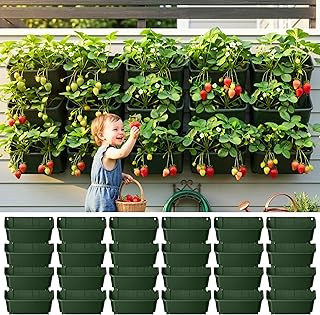
– Vertical Gardens: Use wall-mounted planters to conserve floor space and create stunning displays. It’s a great way to add greenery without taking up valuable room.
– Stackable Planters: Maximize your gardening potential with stackable containers, allowing you to grow more plants in less area while keeping them organized.
– Repurposing Items: Get creative by turning everyday items like old teacups or wooden crates into unique planters. It’s eco-friendly and adds personality to your garden.
– Edible Plants: Consider incorporating herbs and vegetables into your containers. They not only beautify your space but also provide fresh ingredients for your meals.
– Self-Watering Options: Use self-watering containers to make maintenance easier. This helps ensure your plants receive the right amount of water even when you’re busy.
1. Vertical Gardens: Go Up, Not Out!

When you’re short on space, consider going vertical! Vertical gardens allow you to add vibrant greenery without occupying precious ground area. You can create a stunning garden by attaching planters to walls or using tiered racks. This approach not only saves space but also enhances the visual appeal of your surroundings, making it feel more inviting.
Start by picking the right materials, like sturdy wooden pallets or wall-mounted pots, to ensure your plants are secure. Opt for lightweight options such as ferns or herbs that flourish in compact environments. Arrange your plants based on their light needs to give each one a chance to thrive.
Key steps to create your vertical garden:
– Choose sturdy materials like pallets or wall planters.
– Select lightweight plants like succulents or herbs.
– Position plants according to their sunlight requirements.
– Rotate plants seasonally for varied blooms.
Vertical gardens can reflect your unique style, making your space a true oasis.
Vertical Gardens: Go Up, Not Out!
Editor’s Choice




2. Stackable Planters: Maximize Your Space

Stackable planters are an ingenious way to make the most of limited gardening space. These tiered pots enable you to grow various plants without taking up too much room. By stacking them, you can create eye-catching displays on your balcony or patio.
To use stackable planters effectively, ensure that the plants share similar light and water requirements for optimal growth. Consider herbs, vibrant flowers, or small vegetables that adapt well to this arrangement. Remember to account for the weight of your planters when they’re watered, selecting a solid base to prevent tipping.
Steps to maximize stackable planters:
– Choose plants that thrive together in light and water.
– Use herbs, small flowers, or veggies for variety.
– Ensure sturdy bases to prevent tipping.
– Add decorations for a fun touch.
Stackable planters not only save room but also keep your gardening experience simple and enjoyable.
Stackable Planters: Maximize Your Space
Editor’s Choice


3. Repurposing Everyday Items as Planters

Unleash your creativity by turning everyday items into charming planters! Items like old teacups, tin cans, or wooden crates can become delightful additions to your garden. This method not only saves money but also infuses your garden with a personal flair.
Consider using colanders for drainage while planting herbs or flowers that prefer slightly exposed roots. An old drawer can be transformed into a rustic garden box, perfect for small veggies. Decorate tin cans for a colorful flower display, or hang old boots for quirky planters.
Creative repurposing ideas:
– Use colanders for herbs that love drainage.
– Transform drawers into rustic veggie boxes.
– Paint tin cans for colorful flower displays.
– Hang old shoes as quirky planters.
This approach makes gardening not only budget-friendly but also fun and eco-conscious, enhancing your garden’s character.
4. Use Colorful Containers to Brighten Your Space

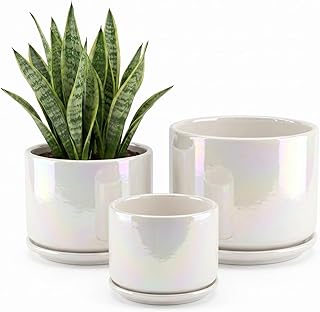
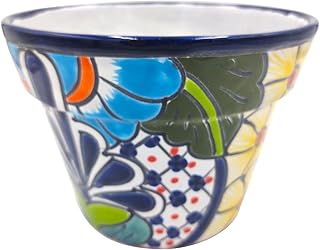
Bright and colorful containers can instantly uplift any garden space. Whether you choose bold reds, sunny yellows, or cool blues, the right hues can transform your garden into a lively retreat. Mixing various colors creates a playful atmosphere that draws attention.
When using colorful containers, select shades that complement your home or outdoor furniture for a cohesive aesthetic. Vary the heights and sizes of your pots for dynamic arrangements. Grouping pots together rather than spreading them out can create a more striking visual impact.
Tips for colorful container use:
– Match colors with your home decor for harmony.
– Vary heights and sizes for visual interest.
– Group pots together for dramatic effect.
– Use contrasting colors for vibrancy.
Playing with colors allows you to express your personality while making your container garden shine.
Using just three bold colors can visually expand a tiny patio by up to 20%. Pair pots of varying heights and group them together for a cohesive, energizing container gardening display.
Use Colorful Containers to Brighten Your Space
Editor’s Choice


📹 Related Video: Professional Design Tips For Colorful Container Gardens
5. Choose Easy Plants for Beginners

If you’re new to container gardening, choosing easy-to-care-for plants can set you up for success. Some plants thrive in pots and require minimal upkeep, making them ideal for beginners.
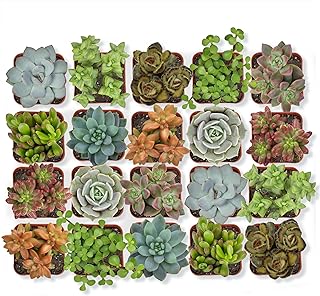
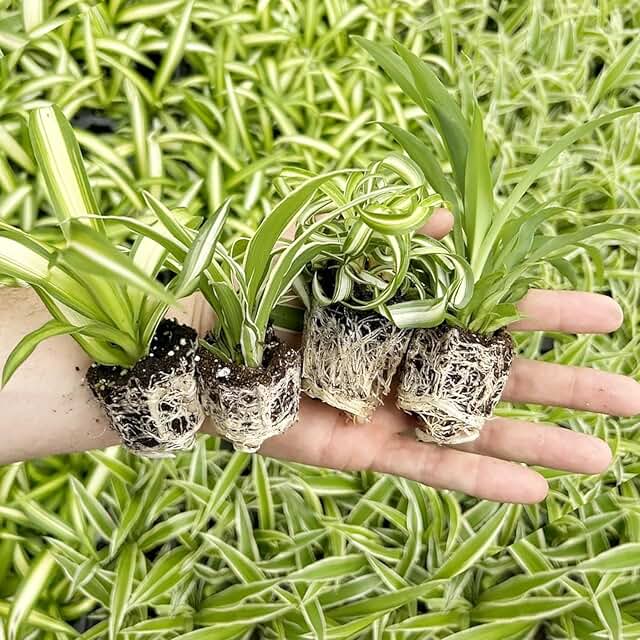
Consider selecting hardy succulents that flourish in sunny spots, or grow herbs like basil and parsley that are not only easy but also useful in the kitchen. Bright flowers like pansies or marigolds can add cheer, while spider plants thrive in indirect sunlight and require little care.
Top beginner-friendly plants:
– Succulents: Hardy and low-water plants for sun.
– Herbs: Basil and parsley add flavor to your cooking.
– Pansies and marigolds: Resilient flowers for cheerful color.
– Spider plants: Easy-care with attractive leaves.
Starting with these simple plants will boost your confidence and passion for gardening while keeping your space beautiful.
Fun fact: 60% of container gardening enthusiasts report success with just a few hardy plants in sunny spots. Choose easy starters like succulents, basil, and spider plants, and you’ll harvest color and herbs with minimal fuss.
Choose Easy Plants for Beginners
Editor’s Choice


You might also like


6. Create a Watering Schedule

One of the main challenges in container gardening is ensuring your plants receive the right amount of water. Creating a watering schedule helps keep track of when and how much to water each plant.
Begin by assessing the light conditions and specific needs of your plants; some may require more water based on their sunlight exposure. Use a garden journal or apps to document each plant’s watering schedule. Grouping plants with similar watering needs can simplify your routine.
Steps for an effective watering schedule:
– Assess light and plant needs for accurate watering.
– Use a journal or app to track needs.
– Group plants with similar needs for easy management.
– Set reminders for consistent watering.
A structured schedule not only keeps your plants thriving but also creates a rewarding gardening routine.
7. Incorporate Edible Plants into Your Containers

Imagine harvesting fresh ingredients right from your garden! Incorporating edible plants into your container garden is a wonderful way to maximize space while enjoying fresh produce.
Great options for edible plants include cherry tomatoes that thrive in pots, leafy greens like lettuce and spinach that grow well in shallow containers, and spicy chili peppers that add zest to your meals. Aromatic herbs such as basil and mint are perfect for small spaces and enhance your culinary creations.
Delicious edible plant options:
– Tomatoes: Cherry varieties yield a great harvest.
– Lettuce and spinach: Grow well in shallow pots.
– Chili peppers: Add spice and color to your space.
– Basil and mint: Aromatic herbs for cooking.
Edible gardening not only beautifies your environment but also provides fresh ingredients right at your fingertips.
How To Choose the Right Container for Gardening
When diving into the world of container gardening, selecting the right containers is crucial. The right choice can make a significant difference in how well your plants thrive, especially in small spaces. Here are some essential points to consider when choosing containers for your green oasis.
1. Size Matters
Choosing the right size container is vital for your plants’ health. A container that’s too small can restrict root growth, while one that’s too large may hold too much moisture. For most herbs and flowers, a pot that is 8-12 inches in diameter works well. For larger plants or vegetables, consider containers that are at least 12-18 inches in diameter.
2. Material Choices
Containers come in various materials like plastic, clay, and ceramic. Each has its pros and cons. Plastic pots are lightweight and inexpensive, making them great for beginners. Clay pots are breathable but can dry out quickly, which is ideal for plants that prefer drier conditions. Ceramic pots provide a beautiful aesthetic but can be heavy and expensive. Think about your plant needs and your space before deciding.
3. Drainage is Key
Ensure that your containers have adequate drainage holes at the bottom. Good drainage prevents water from pooling, which can lead to root rot. If you find a container you love that doesn’t have holes, consider drilling some yourself or placing a layer of gravel at the bottom to help with drainage.
4. Color and Aesthetic
The color and design of your containers can enhance your garden’s look. Bright colors can bring joy and vibrancy, while earthy tones provide a calming effect. If your space is limited, you might want to use cohesive colors to create a more spacious feel. Think about how the colors of your plants will contrast with the containers for maximum impact.
5. Easy to Move
Since space is often limited, choosing lightweight containers can make your gardening experience more enjoyable. If you need to reposition your plants for sunlight or aesthetics, lightweight containers can save you time and effort. Consider using pots with wheels or handles for easier mobility.
6. Budget-Friendly Options
Container gardening can be as expensive or as economical as you make it. Set a budget before shopping and stick to it. Look for sales, or consider upcycling old containers. Many everyday items like tin cans, old buckets, and even wooden crates can serve as creative planters with a little decoration.
Pro Tip: Always check the plant’s specific needs. Some plants prefer specific container types or sizes, so do a bit of research before making your final decision. This small step can lead to a flourishing garden.
With these tips, you’re well on your way to choosing the perfect containers for your container gardening. Happy planting! 🌱
8. Use Self-Watering Containers

Self-watering containers are a game-changer for busy gardeners who might forget to water regularly. These pots feature built-in reservoirs that keep your plants hydrated, ensuring they thrive even when life gets hectic.
The benefits of self-watering containers are numerous: they lower the frequency of watering, help prevent overwatering, and encourage deeper root systems for healthier plants. Available in various styles and sizes, they can fit seamlessly into any garden aesthetic.
Advantages of self-watering containers:
– Reduce watering frequency for busy lifestyles.
– Prevent overwatering with controlled moisture.
– Promote healthy growth with proper hydration.
– Available in various designs to match your style.
Adding self-watering containers simplifies plant care while ensuring your garden flourishes.
Use Self-Watering Containers
Editor’s Choice


You Might Also Like


9. Incorporate Trellises for Climbing Plants

Adding trellises to your container garden is an excellent way to utilize vertical space while growing climbing plants. Trellises support various types of plants, adding height and visual interest while maximizing your area.
To use trellises effectively, choose lightweight options that can be easily secured to your containers. Select climbing plants like peas or flowering vines that will thrive with support. Regularly guide your plants as they grow to ensure they climb the trellis properly.
Tips for effective trellis use:
– Select lightweight trellises for easy installation.
– Opt for climbing plants like peas or beans.
– Train plants to climb the trellis as they grow.
– Use decorative trellises for added visual appeal.
Trellises not only save space but also enhance the beauty of your container garden.
Fact: A lightweight trellis can double your vertical growing space in a tiny container gardening setup. Pair it with peas or flowering vines, and you’ll add height, color, and a surprising harvest—without crowding your table.
10. Seasonal Rotation: Keeping it Fresh

Keeping your container garden vibrant year-round involves seasonal rotation. By changing your plants with the seasons, you can enjoy fresh looks and varied blooms throughout the year.
Start by noting which plants thrive in your climate during each season; selecting varieties that bloom at different times will keep your garden lively. Refresh your containers with nutrient-rich soil as you rotate plants to foster optimal growth. Experimenting with different plant combinations can yield unique and exciting displays.
Steps for effective seasonal rotation:
– Identify seasonal plants that thrive in your climate.
– Refresh soil and nutrients with each rotation.
– Try different plant combinations for variety.
– Include perennials for low-maintenance beauty.
Seasonal rotation keeps your container garden looking fresh and inviting, encouraging you to enjoy your space all year long.
Conclusion

Transforming your tiny space into a green oasis is not just feasible, but also incredibly fulfilling. With these ten container gardening hacks, you can elevate your living area and create a lush environment that reflects your personality.
From choosing the right plants to employing creative techniques, every step brings you closer to a flourishing garden. Don’t be afraid to experiment and try out new ideas. Your green oasis is just a container away!
Note: We aim to provide accurate product links, but some may occasionally expire or become unavailable. If this happens, please search directly on Amazon for the product or a suitable alternative.
This post contains Amazon affiliate links, meaning we may earn a small commission if you purchase through our links, at no extra cost to you.
Frequently Asked Questions
What are the best container gardening hacks for small spaces?
For container gardening in small spaces, start with compact pots, take advantage of vertical space with wall planters, and group plants with similar light needs. Use stackable shelves or railing boxes to multiply growing area without crowding. Choose easy plants like herbs, lettuce, and compact ornamentals to see quick wins. Keep drainage clear and use a lightweight potting mix to reduce weight on shelves and balconies.
With these hacks, your tiny setup becomes a lush green oasis that is easy to maintain.
Which easy plants are great for container gardening in tiny spaces?
Some easy plants for container gardening in tiny spaces include basil, parsley, chives, and lettuce. Add dwarf varieties like a cherry tomato or a compact pepper if you have full sun. For shade, try spinach, arugula, and nasturtiums that thrive in containers. Start with just a few varieties to keep care simple and fun.
Remember to water regularly and feed lightly to keep your container gardening thriving in small spaces.
How can I maximize space and sunlight in a small container garden on a balcony?
Maximizing space and sun on a balcony starts with smart placement and verticals. Put containers on a sunny wall or railing to make the most of available light in your small spaces. Use vertical shelves or hanging baskets to convert vertical space into productive growing areas. Group sun-loving container gardening plants together so they can share water and fertilizer. Use light-colored pots to reflect light and keep the microclimate bright.
Do not forget to water consistently and rotate pots as the sun moves so every plant gets its share of light.
What soil, watering, and drainage tips should I use for container gardening in limited space?
Focus on a quality, well-draining soil mix for container gardening in limited space. Make sure every pot has a drainage hole and use a saucer or wick to catch excess water; consider self-watering pots for busy days. Water deeply when the top inch of soil dries, rather than light spritzes, to encourage roots that reach down. Feed with a balanced fertilizer every few weeks to support your easy plants without overwhelming the space. Mulching with compost or coconut coir helps retain moisture and cut down on watering.
How do I choose the right containers and placement for container gardening in a small yard or balcony?
Choosing containers and placement for a small yard or balcony is about balance, weight, and sun. Pick lightweight materials like plastic or fabric grow bags, plus stands or rollers to move pots easily in container gardening for small spaces. Ensure drainage and stability so wind or watering wont topple pots. Place sun-loving plants where they will receive at least 4–6 hours of sun daily, while shade lovers sit in cooler corners. Keep water sources nearby and group pots to minimize trips while tending to your garden.
With thoughtful planning, your container gardening setup can transform even a tiny space into a thriving green oasis.
Related Topics
container gardening
small spaces
easy plants
DIY garden hacks
beginner friendly
space-saving solutions
indoor plants
green oasis
low maintenance gardening
seasonal gardening
creative containers


Did you know that container gardening can help save water? It really does! I learned that when I started caring for my plants during our hot summers.